
Hosting sGTM on AWS Fargate vs. Google Cloud Run: Cost and Performance
The choice of cloud provider for the sGTM container affects latency and the IT budget. We take a detailed look at AWS Fargate versus Google Cloud Run.
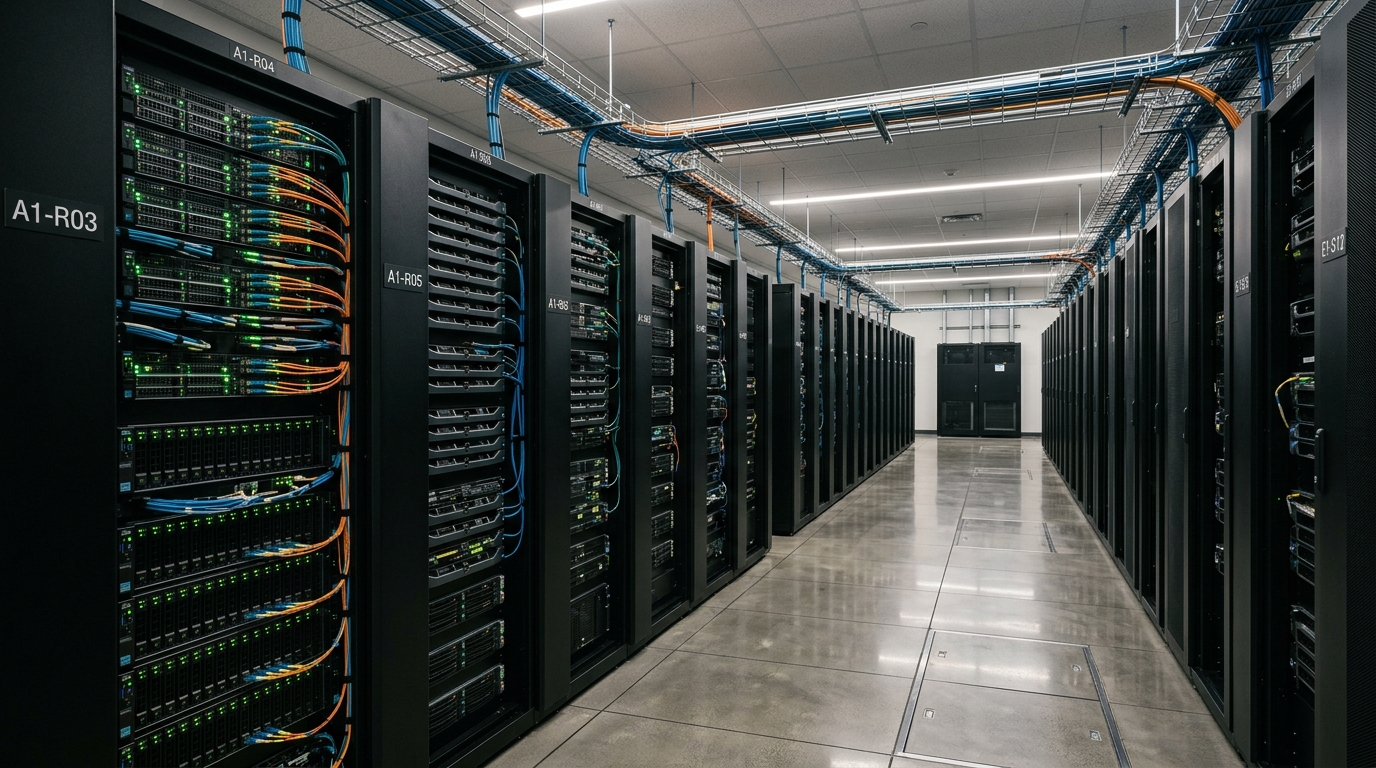
Operating scenario: Technology teams face unpredictable cloud computing costs, or server container outages during traffic peaks from promotional campaigns.
Technical root cause: Incorrectly sized containers and a poor grasp of how egress traffic is billed and how cold start behaves on AWS and GCP.
Engineering guideline: An architectural decision based on the company's profile: Cloud Run for fast deployments and automatic serverless scaling; AWS Fargate for operations with an existing Amazon ecosystem.
The Infrastructure Decision for Server-Side GTM
Deploying a Google Tag Manager Server-Side (sGTM) container requires provisioning dedicated cloud servers to process the stream of analytics requests. While Google offers an automated default setup on Google Cloud Platform (GCP), most mid-sized and large companies have contracts and corporate infrastructure hosted on Amazon Web Services (AWS).
Choosing between Google Cloud Run and AWS Fargate involves technical trade-offs across four critical dimensions: response time (network latency), tolerance to traffic spikes, operational maintenance complexity and monthly financial cost.
Restricted access for advisory clients
The architecture models, verification checklists, integration scripts and operating pipelines in this dossier are restricted to companies advised by Random Marketing.
Advisory for operations investing BRL 100k or more per month in media.
Official documentation & engineering references
Architecture guidelines, API specifications and official technical documentation consulted to support this dossier: